What to Expect During a Liposuction Michigan Consultation

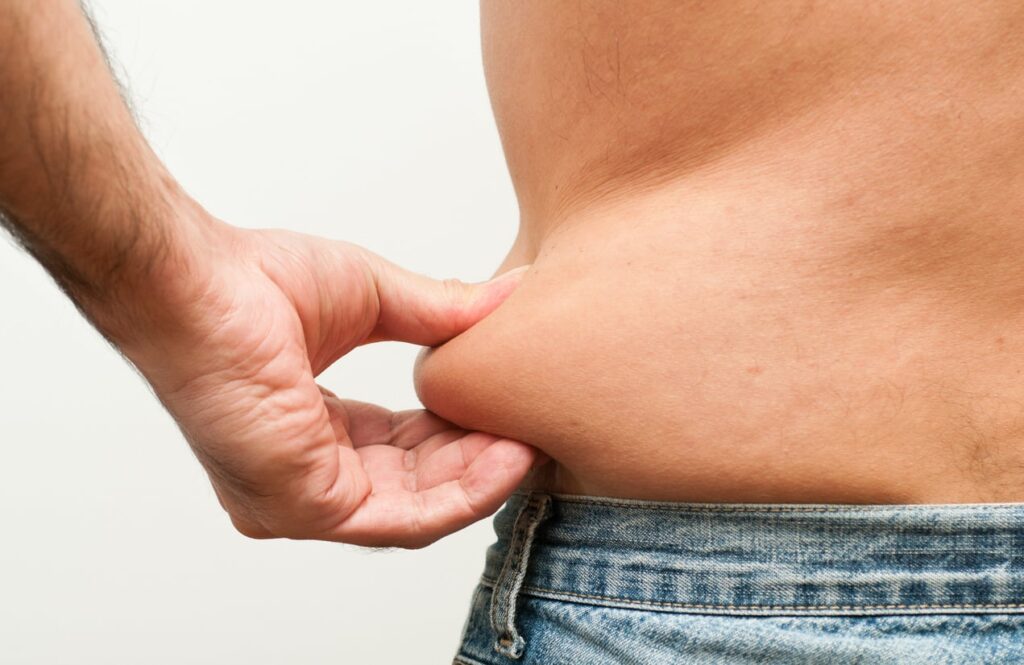
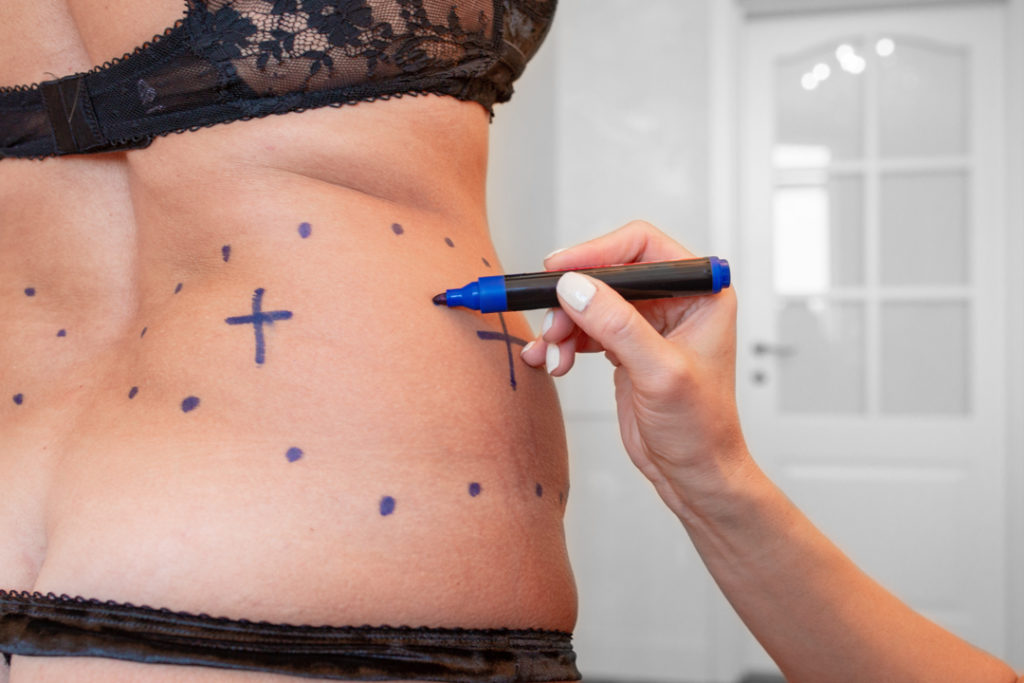
Walking into a liposuction consultation for the first time can feel equal parts exciting and unnerving. Most people arrive with a specific frustration in mind: the lower abdomen that never flattened after pregnancy, the flanks that linger despite weight loss, the fullness under the chin that changes how every photo looks. They also carry questions that are harder to say out loud. Am I a good candidate? Will this actually make a difference? Am I being realistic about recovery, scars, and cost?
A good consultation answers more than the basic question of whether liposuction is possible. It should tell you whether it is appropriate, whether it is likely to help your particular anatomy, and whether the surgeon you are meeting is someone you trust to guide you honestly. That matters anywhere, but it matters especially when patients start searching for terms like Liposuction Michigan and get flooded with before and after galleries, promotional language, and broad promises that all sound similar on the surface.
The consultation is where the marketing stops and the real medicine begins.
The first few minutes are usually more revealing than patients expect
Most consultations start simply. You check in, complete a medical history, and often take photographs for the chart. Those photos are not just administrative. They help the surgeon assess proportion, asymmetry, skin quality, and contour transitions that can be harder to judge casually in a mirror.
Then comes the conversation, and this is usually where the quality of a practice becomes clear. An experienced surgeon will not jump straight to a sales pitch or start circling body areas like a menu. Instead, they will ask what bothers you, how long it has bothered you, what you have tried, whether your weight has been stable, and what outcome you actually want. Patients often say, “I just want this gone,” while pointing broadly at the abdomen or thighs. A skilled consultation narrows that down. Is the concern fullness above the navel, below the navel, at the waist, or a combination? Is the issue true excess fat, loose skin, muscle separation, or all three?
This distinction matters because liposuction removes fat. It does not tighten significant loose skin, repair abdominal muscles, or produce the same result as a tummy tuck. Many disappointments in cosmetic surgery can be traced back to a consultation where nobody slowed down long enough to define the real problem.
Expect a conversation about your goals, not just your measurements
A useful consultation is less about numbers than people assume. Your weight and body mass index may come up, but those are only part of the picture. Surgeons are also looking at fat distribution, skin elasticity, age-related changes, prior surgeries, scars, and the way your tissues respond to gravity and movement.
One patient may be 20 pounds above her ideal weight and still be a reasonable candidate for limited contouring around the flanks because her skin is firm and her goals are modest. Another may be at a stable weight yet not be Liposuction Michigan michellehardawaymd.com an ideal liposuction candidate for the abdomen because the main issue is lax skin after major weight loss. The difference is not discipline or motivation. It is anatomy.
This is also the point where your goals should get more specific. “I want to be smaller” is a starting point, but not a surgical plan. The surgeon may ask what clothing feels tight, whether you want improved waist definition, whether you are hoping to refine one area or several, and how much downtime you can realistically manage. If you are preparing for a wedding, a reunion, or a return to work, say so. Timing changes recommendations. So does your tolerance for recovery.
Patients sometimes hold back because they worry their concerns sound vain or overly detailed. In practice, those details are the consultation. Saying, “I do not mind a small scar, but I really do not want loose skin,” gives the surgeon far more useful information than simply asking for the “best result.”
Your medical history will be discussed in practical detail
Liposuction is elective surgery, but it is still surgery. A responsible consultation includes a close review of your health history, medications, past operations, and habits that affect healing.
You should expect questions about bleeding problems, clotting disorders, heart or lung disease, diabetes, autoimmune conditions, and prior anesthesia experiences. If you have had a C-section, hernia repair, tummy tuck, or other body surgery, mention it. Old scars can change the contour and may influence how evenly fat can be removed. Even a procedure that seems unrelated, such as a prior abdominal laparoscopy, can matter depending on where treatment is planned.
Medications and supplements deserve special attention. Blood thinners, some anti-inflammatory medications, and certain supplements can increase bleeding risk. Nicotine is another major issue. Smoking, vaping nicotine, and even some nicotine replacement products can compromise circulation and healing. Surgeons differ in their policies, but most are firm about stopping nicotine well before and after surgery.
If you have gained and lost weight repeatedly, or if you know your weight is still actively changing, expect a candid discussion about timing. Liposuction is not a substitute for weight loss, and most surgeons prefer to operate when weight has been relatively stable for several months. Results tend to age better that way.
The physical exam is more nuanced than many patients realize
The exam itself is not simply the surgeon deciding where to suction fat. They are evaluating the thickness of the fat layer, the quality and recoil of your skin, muscle tone beneath the fat, body asymmetry, and how one area transitions into another.
This is why two people who both ask for “abdomen liposuction” may hear very different recommendations. In one patient, modest fullness with excellent skin quality may make liposuction alone a strong option. In another, the same area may show stretched skin, abdominal wall laxity, and a fold that will remain even if the fat is reduced. In that case, liposuction alone may flatten very little and could even make looseness more obvious.
Surgeons are also looking at whether treating one area alone will create imbalance. For example, removing fat from the lower abdomen without addressing the flanks may leave the midsection looking unfinished. Likewise, treating the outer thighs without considering the inner thighs or hips can shift the contour in ways patients did not anticipate. Good aesthetic judgment often shows up here, not in dramatic language, but in restraint and proportion.
If the consultation feels rushed during the exam, that is not a small issue. This stage is where individualized planning happens.
You should hear a frank explanation of what liposuction can and cannot do
This is often the most important part of the appointment. The best consultations are clear, specific, and occasionally a little disappointing, which is not a bad sign. If a surgeon tells you liposuction will tighten substantial loose skin, erase cellulite, or produce a dramatic weight-loss transformation, that is a reason to pause.
Liposuction is excellent for contouring localized fat deposits. It can sharpen a jawline, improve waist definition, reduce fullness around the bra line, contour the abdomen, refine the inner or outer thighs, and improve the silhouette in clothing. For the right patient, it can create a meaningful visual change that exercise alone often cannot deliver because fat distribution is partly genetic.
It does not treat obesity. It does not improve every surface irregularity. It does not make stretch marks disappear. It also cannot guarantee perfect left-right symmetry, because natural asymmetry exists in nearly every body before surgery begins.
This is where honest surgeons sometimes lose the quick sale and gain the right patient. When expectations are realistic, satisfaction tends to be much higher.
You may be offered alternatives, or told another procedure makes more sense
Patients are sometimes surprised to learn that the best consultation does not always end with liposuction. Depending on the anatomy, a surgeon might suggest a tummy tuck, skin excision, a lift procedure, or a non-surgical option, or they may advise waiting altogether.
That recommendation can be difficult to hear, especially if you came in focused on a less invasive solution. Still, it is often the clearest sign that the consultation is centered on outcome rather than convenience. A classic example is the patient with significant lower abdominal skin laxity after pregnancy. Liposuction might remove some fullness, but if the skin and muscle separation are the real issues, the result may fall short of what the patient imagined. In that case, a tummy tuck may address the actual problem more effectively.
The same applies to small-volume concerns. Some patients seeking under-chin refinement, for instance, may do well with a less invasive contouring procedure if the fat is minimal and skin tone is strong. Others need direct surgical contouring because non-surgical options are unlikely to create visible change.
A consultation that includes alternatives is usually a more trustworthy one.
Technique will come up, but it should not overshadow judgment
Many patients ask about the method used: tumescent liposuction, power-assisted liposuction, ultrasound-assisted liposuction, laser-assisted liposuction, and so on. These distinctions can matter, but not always in the way advertising suggests.
In experienced hands, several techniques can produce excellent results. The larger variable is often not the machine, but the surgeon’s decision-making: who they operate on, how aggressively they remove fat, how carefully they preserve smooth contour transitions, and how they plan for skin behavior afterward.
During the consultation, ask what technique is recommended for your case and why. A thoughtful answer may include the treatment area, the density of the fat, whether scar tissue is present from prior surgery, and how the surgeon balances efficiency with contour precision. If the explanation sounds overly branded or promotional without much anatomy behind it, keep asking questions.
For patients exploring Liposuction Michigan options, this is one of the easiest places to get distracted. Technology descriptions are easy to market. Surgical judgment is harder to summarize, but far more important.
Expect a real discussion of risks and trade-offs
A proper consultation should not treat complications as a formality. You deserve a clear explanation of common issues, uncommon issues, and the trade-offs built into the procedure.
Some risks are general to surgery: bleeding, infection, delayed healing, anesthesia-related problems, and blood clots. Others are more specific to liposuction: contour irregularities, asymmetry, numbness, prolonged swelling, firmness during healing, fluid accumulation, and the possibility that revision may be needed.
There are also aesthetic trade-offs. More aggressive fat removal is not always better. Over-resection can create unnatural hollows, visible waviness, or a prematurely aged look, especially in areas where skin quality is only average. Conservative contouring may leave a bit more fullness than a patient initially hoped for, but often ages more gracefully and carries a lower risk of irregularity.
This part of the conversation should feel balanced, not fear-based and not casually dismissive. If risks are waved away with “you’ll be fine” or buried beneath sales language, that is not reassuring. It is a missed standard.
Recovery details should be specific, not vague
One of the most common gaps in first consultations is recovery planning. Patients hear “a few days down” and imagine they will be back to normal by the weekend. Real recovery is usually more layered Liposuction Michigan than that.
You may be sore, swollen, bruised, and tired in the first several days. Compression garments are often part of the process. Drainage from tiny incision sites can occur early on, especially with tumescent techniques. Many people return to desk work within several days to a week, but that does not mean they feel entirely comfortable, look fully presentable, or can resume normal exercise.
Swelling often improves in stages. Early improvement can be encouraging, followed by a plateau that tests patience. Some areas soften quickly, while others stay firm or numb for weeks to months. Final contour can take time to reveal itself, especially in larger body areas.
A reliable consultation usually covers:
- how many days of practical downtime to expect
- when you can drive, work, lift, and exercise again
- whether you will need someone with you after surgery
- how long swelling and compression are likely to last
- when results usually start to look meaningful
Those details matter more than many patients realize. If you have young children, a physically demanding job, frequent travel, or an important event on the calendar, recovery logistics can change whether this is the right time to proceed.
Cost should be explained in a way that lets you compare options honestly
Cosmetic surgery pricing varies widely by region, surgeon experience, facility setting, and the extent of treatment. During a consultation, cost should be presented clearly enough that you understand what is included and what is not.
A quote may reflect the surgeon’s fee, anesthesia fee, facility fee, garments, medications, and follow-up care, or it may separate those categories. Make sure you know whether the estimate covers all planned areas, whether revisions carry additional costs, and whether any preoperative lab work is billed separately.
Cheaper is not always a bargain. More expensive is not automatically better either. Pricing has to be interpreted alongside experience, safety standards, the thoroughness of planning, and whether the recommendation truly fits your body. A limited low-cost quote can become more expensive in the long run if it leads to an incomplete result or a revision.
For patients comparing multiple Liposuction Michigan consultations, this is where disciplined note-taking helps. After two or three appointments, details blur fast.
You should leave with a sense of the surgeon’s aesthetic philosophy
This is the intangible part of the consultation, but it matters. Every surgeon has tendencies. Some favor more aggressive sculpting. Some prioritize subtle, natural refinement. Some are especially strong with athletic contouring. Others excel at restoring proportion after pregnancy or weight loss.
You are not just choosing someone to remove fat. You are choosing how that person sees form, proportion, and restraint. The same abdomen can be treated in different ways depending on the surgeon’s aesthetic philosophy. Neither approach is automatically right for every patient.
Before and after photos can help here, if you study them carefully. Do the results look smooth and believable? Are the treated bodies similar to yours? Do the outcomes seem consistently balanced from patient to patient? One strong photo proves very little. Pattern matters.
Questions worth bringing to the appointment
Patients often tell me they remember half of what they wanted to ask only after they get back to the car. Writing down your questions ahead of time is useful, especially if this is your first cosmetic surgery consultation.
A short list tends to work best:
- Am I a good candidate for liposuction alone, or do you think another procedure would address my concern better?
- What result is realistic for my body, not an ideal body?
- Where will the incisions be, and how visible are they likely to become?
- What is the recovery likely to look like during the first two weeks?
- If I were your family member, what would you caution me about in my specific case?
That last question often shifts the conversation in a productive way. It invites candor over performance.
Red flags are usually obvious once you know what to watch for
Most patients do not need an advanced medical background to sense when a consultation is off. The warning signs are usually practical. You feel rushed. Your goals are barely explored. Risks are brushed aside. The surgeon seems to promise a perfect result without talking about skin quality or trade-offs. Alternatives are never mentioned. Pricing arrives before planning does.
Another red flag is a mismatch between your concern and the proposed treatment. If you keep describing loose skin and the consultation keeps circling back to fat removal alone, that disconnect matters. So does a heavy emphasis on financing before candidacy has been thoughtfully discussed.
A good consultation can still feel warm and encouraging, but it should not feel frictionless. Some degree of nuance, caution, and boundary-setting is a sign that real judgment is being applied.
Preparing for the consultation can make it far more productive
You do not need to do anything elaborate, but a bit of preparation helps. Wear clothing that makes the area easy to examine. Bring a list of medications and supplements. Be ready to discuss prior surgeries honestly, even if they happened years ago or were done elsewhere. If your weight has changed recently, say so. If you are considering future pregnancy, that should be part of the conversation too.
It also helps to bring in examples of what you mean by your goal, though with some caution. Photos can communicate shape preferences, but they are not blueprints. The point is not to ask for someone else’s body. It is to clarify whether you are hoping for subtle refinement, a more athletic contour, improved balance, or better clothing fit.
One practical tip many patients appreciate: schedule enough time afterward so you are not racing back to work. Consultations can stir up more thought than expected. Some people walk in convinced they want surgery and leave realizing they need a different procedure. Others expect to be told no and find out they are reasonable candidates. Give yourself room to absorb the information.
What a strong consultation should leave you with
By the end of the appointment, you should understand what problem is being treated, whether liposuction is the right tool for that problem, what kind of result is realistic, what recovery will demand, and what the major risks and limitations are in your case. You should also have a feel for whether the surgeon listens carefully, answers directly, and knows when not to overpromise.
That is the real value of the consultation. It is not simply a gateway to booking surgery. It is where a vague frustration gets translated into a medically and aesthetically sound plan, or where you learn that the plan should be something else entirely.
For anyone researching Liposuction Michigan, that distinction is worth holding onto. The best consultation is not the one that flatters you most. It is the one that tells you the truth clearly enough to make a confident decision.
Aesthetic Plastic Surgery & Laser Center, Michelle Hardaway M.D.
27920 Orchard Lake Rd, Farmington Hills, MI 48334, United States
+1 248-221-1957
FAQ About Liposuction Michigan
Is 55 too old for liposuction?
Age 55 alone does not determine suitability. A surgeon evaluates overall health, skin quality, healing risks, and realistic goals. A personal consultation is needed to assess candidacy and discuss alternatives.
What happens 10 years after liposuction?
Contour improvements can last, especially with stable weight. Aging, pregnancy, and weight changes can alter the appearance over time. Results vary, and liposuction does not prevent future body changes.
Can lipo get rid of an apron belly?
Liposuction reduces localized fat but does not remove hanging excess skin. An apron belly may require assessment for a skin-removal procedure instead of, or alongside, fat removal. A qualified plastic surgeon can explain appropriate options and their risks.